What is a Beer & Wine Distributor?
North Carolina beer and wine wholesalers proudly distribute thousands of products to every corner of the state, from Murphy to Manteo.
Our member companies are independent, family-owned local businesses. We are the critical link connecting thousands of suppliers to over 20,000 retail accounts statewide.
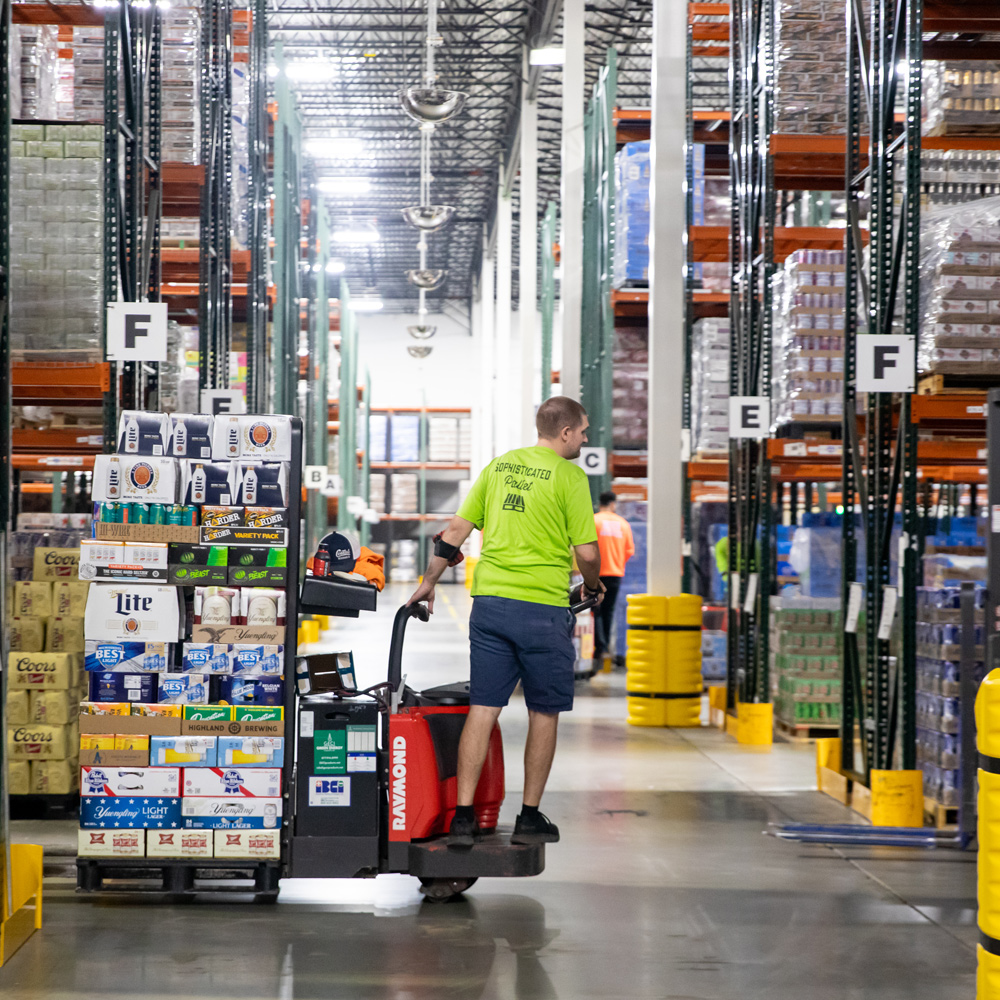
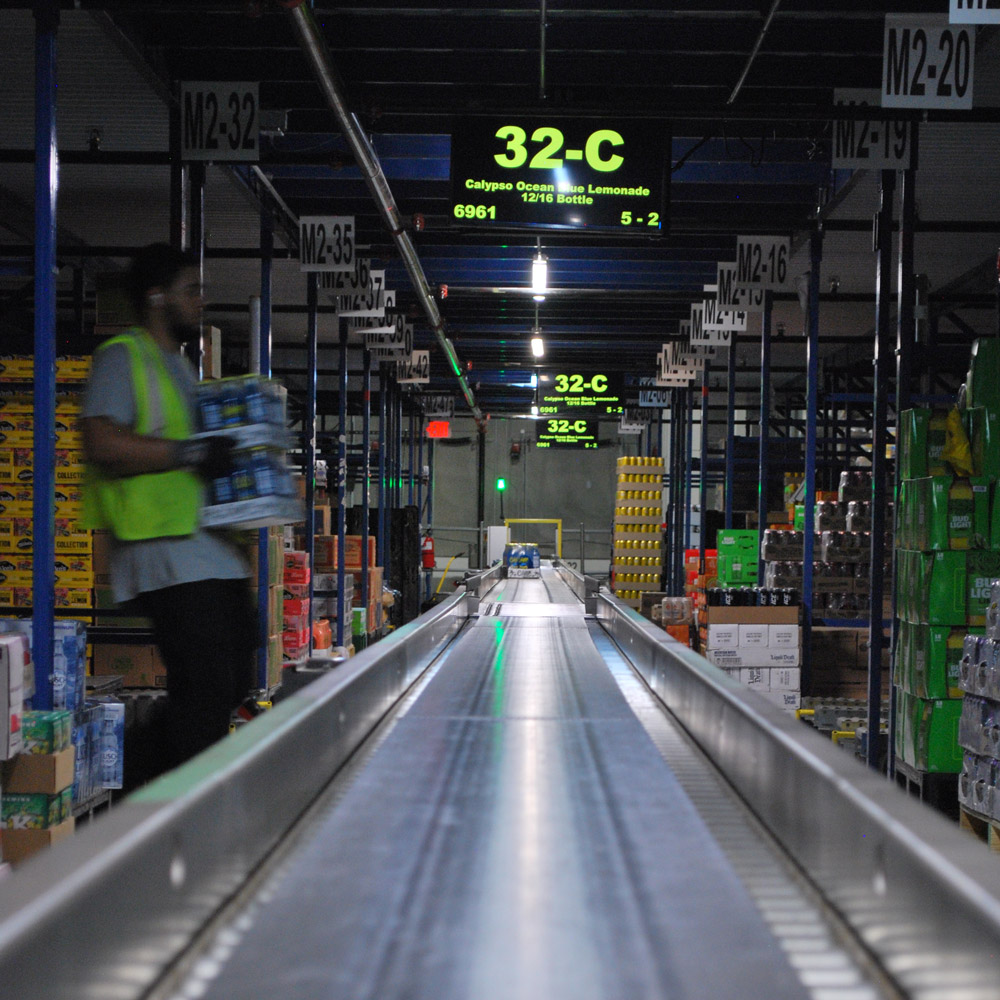
Our distributors manage temperature-controlled logistics, ensuring product freshness for everything from local craft brews to global imports. We also play a critical role in the state’s economy by employing over 5,600 people and collecting more than $150 million annually in state excise taxes.
The Critical Link
Our state-based distributors help ensure that only beer and wine products approved by the NC ABC Commission enter the market through a safe, transparent and accountable system.
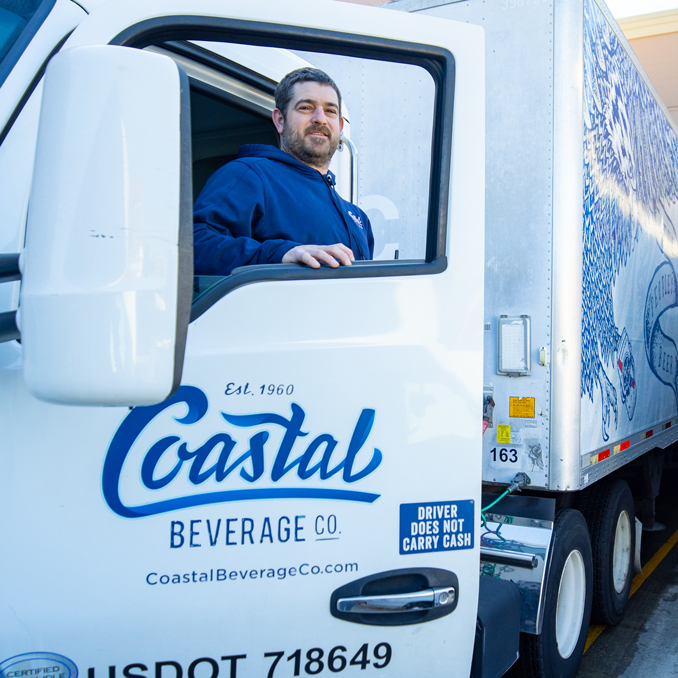
Distributors obtain beer and wine from a wide range of breweries, wineries, and importers, storing these perishable products in temperature-controlled warehouses and vehicles to maintain quality and freshness. They deliver customized inventory based on the specific needs of each retailer, including restaurants, bars, and neighborhood stores. After delivery, distributors continue to monitor retailer shelves to ensure product freshness and proper storage conditions.
This system provides both consumers and retailers with reliable access to a diverse selection of products, ensuring quality, consistency, and an unparalleled variety of choices.
In addition to providing choice and value, distributors work closely with state regulators to maintain accountability for these regulated products in an orderly, transparent marketplace. Distributors may also remove and properly destroy beer that has reached its expiration date or in the event of a product recall.
State-based distributors also help enforce the state ABC laws by helping ensure that only lawful products, advertising materials and sales promotions enter the market. Since ABC laws vary from state to state, North Carolina distributors are on the front lines to filter out products and promotions that do not comply with state law.
The three-tier regulatory system for beer and wine products helps achieve greater market access by creating a structured distribution network that allows products from many different producers—large and small—to reach a wide range of retailers in an efficient, regulated, and competitive marketplace. Here are the key ways it expands access:
1. Access to market for small and independent producers
Under the three-tier system (producer → distributor → retailer), breweries and wineries do not need to build their own sales and delivery networks. Instead, they can partner with licensed distributors who already have established infrastructure to serve retailers across the state.
- This lowers the cost of entering the market.
- Small and craft producers can compete alongside large national brands.
- Retailers gain access to products they may not otherwise be able to source directly.
2. One-stop purchasing for retailers
Distributors carry products from many different suppliers and offer them to retailers in a single order and on a level playing field.
- Restaurants, bars, and other retail outlets can purchase thousands of products from only a few distributors instead of hundreds of suppliers.
- This makes it easier for retailers to stock a wider variety of products.
- Direct store delivery promotes greater efficiency and leads to more shelf space for new and specialty items.
3. Statewide distribution network
Distributors maintain warehouses, delivery fleets, and sales staff that reach both urban and rural areas.
- Producers gain access to the entire state, not just larger metropolitan areas.
- Retailers in smaller communities can carry the same products available in large markets.
- Consumers benefit from a broader selection regardless of location.
4. Fair and orderly competition
Because distributors must operate under uniform licensing and regulatory requirements, the system prevents large producers from dominating the market through exclusive control of retail outlets. This also allows small, locally-owned retailers to compete evenly against even the largest chain stores.
- Ensures equal opportunity for brands to compete.
- Prevents tied-house practices and unfair market pressure.
- Encourages diversity of products and suppliers.
5. Product tracking and accountability support wider distribution
The three-tier system requires recordkeeping, licensing, and traceability.
- Retailers can confidently stock products from many suppliers.
- Regulators allow broader distribution because the system is controlled and transparent.
- Recalls, tax collection, and safety checks can be handled without restricting market participation.
State regulation also ensures the flexibility needed to reflect local values and conditions. A uniform national approach to alcohol policy is not workable in a country with widely differing views on alcohol consumption and control. Public attitudes in North Carolina may differ greatly from those in other states such as New York or Illinois. Even within our state, urban areas may not view alcohol the same as rural communities. The 21st Amendment was specifically designed to preserve this local authority, allowing each state to determine the appropriate level of regulation. Beer and wine distributors operate within this framework and work closely with state regulators to support accountability, enforcement, and the orderly operation of the marketplace in accordance with North Carolina law.
Accordingly, distributors help sponsor and support numerous programs that encourage responsible consumption and promote public safety. These initiatives include safe-ride partnerships, alcohol-free youth and after-prom events, and educational efforts designed to help parents and communities address underage drinking. Through these activities, the beer and wine distribution industry works alongside community leaders, educators, and law enforcement to support responsible use of beverage alcohol.